Exploring the Rich History of Gambling Through Time
Origins of Gambling in Ancient Civilizations
The roots of gambling trace back to ancient civilizations, where it played a significant role in social and religious practices. Archaeological evidence from Mesopotamia indicates that the Sumerians, around 3000 BCE, used dice made from bones for games of chance. Similarly, the Chinese developed games using tiles, and by 2300 BCE, they were already engaging in gambling activities that included rudimentary forms of betting on outcomes. These early forms of gambling reveal not only a fascination with chance but also a reflection of societal values and the importance of luck in life. For those seeking options, exploring the online casino no verification withdrawal can provide a seamless gaming experience.
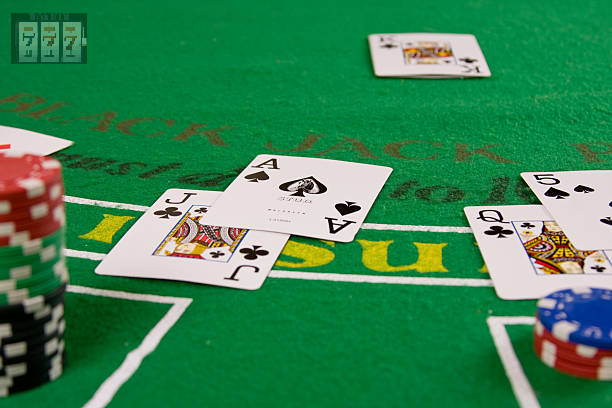
In ancient Rome, gambling became an integral part of entertainment, often linked to the rich cultural tapestry of the empire. Romans would bet on gladiatorial games and chariot races, showcasing their enthusiasm for competitive events. The government even legalized various forms of betting to regulate and profit from the flourishing gambling scene. This early intertwining of government and gambling laid the groundwork for future regulatory frameworks in different societies.
Gambling practices spread across continents, influenced by trade routes and cultural exchanges. The introduction of card games in Europe during the Middle Ages marks a pivotal shift, as these games transitioned from simple pastimes to sophisticated activities associated with social status. The evolution of gambling through these ancient civilizations sets a rich historical precedent that continues to resonate in contemporary gaming experiences.
Gambling Through the Renaissance and Enlightenment
The Renaissance sparked a renewed interest in arts, sciences, and humanism, which also extended to gambling. It was during this period that card games gained immense popularity among nobility across Europe. Decks of playing cards, intricately designed, became symbols of status, and games like Faro and Chemin de Fer became fashionable in elite circles. This era marked the transition from gambling being a purely recreational activity to one associated with wealth and sophistication.
During the Enlightenment, gambling further evolved with the introduction of gaming houses and more organized betting systems. The establishment of the first public lottery in 1569 in England provided a state-sanctioned way for individuals to gamble, all while funding public projects. This institutionalized approach to gambling showcased the growing acceptance of betting as a legitimate pastime and reflected a changing societal attitude towards risk and reward.
As gambling diversified, it began to attract attention from philosophers and social theorists. Individuals like Montesquieu and Rousseau debated the moral implications of gambling, emphasizing the need for balance between pleasure and prudence. This intellectual discourse during the Renaissance and Enlightenment periods contributed to the understanding of gambling as both a source of entertainment and a potential vice, shaping future attitudes towards betting and gambling regulations.
The Rise of Casinos and Modern Gambling Practices
The 18th and 19th centuries saw the emergence of casinos as dedicated establishments for gaming. The first official casino, the Casino di Venezia in Italy, opened its doors in 1638, setting the stage for future gambling venues. These casinos evolved into opulent spaces where the elite could engage in games such as Roulette and Blackjack. The concept of a casino brought about a sense of luxury, providing a venue where individuals could escape societal norms and indulge in the thrill of gambling.
The industrial revolution further fueled the expansion of gambling. As urbanization increased, so did the demand for entertainment. This led to the establishment of betting houses and gaming parlors, which catered to a broader demographic. The proliferation of horse racing and sports betting became popular pastimes, marking a shift towards more diverse gambling options. The legal frameworks surrounding gambling also started to become more defined, as governments recognized the potential for taxation and economic stimulation.
In the latter part of the 20th century, technological advancements revolutionized the gambling landscape. The introduction of electronic gaming machines and online casinos began to reshape how individuals engaged with gambling. The advent of the internet allowed for gambling to be accessible from anywhere in the world, leading to the rise of online platforms that catered to a global audience. These developments not only transformed gambling practices but also raised questions about regulation, addiction, and consumer protection in an ever-evolving digital landscape.
Challenges and Social Implications of Gambling
As gambling has evolved, so have the challenges associated with it. The increase in accessibility, particularly with online gambling, has led to concerns regarding gambling addiction. Many individuals find themselves drawn into the thrill of betting, often leading to harmful consequences that affect their personal and financial well-being. The prevalence of gambling addiction has prompted various awareness initiatives, emphasizing the need for responsible gambling practices and support systems for those affected. Online platforms can offer options like the online casino no verification withdrawal, which cater to users seeking simple transactions.
Moreover, the societal implications of gambling are profound. While some view it as a harmless form of entertainment, others argue that it can contribute to social issues, including crime and family breakdowns. Governments and organizations have a crucial role in mitigating these risks by implementing regulations and promoting public awareness campaigns. This duality of gambling, as both a source of enjoyment and potential harm, continues to be a significant topic of discussion among policymakers and communities alike.
Furthermore, the stigma surrounding gambling addiction often prevents individuals from seeking help. Many may not recognize the signs of addiction, viewing their behavior as normal or merely a part of social life. By fostering a culture of awareness and support, society can create an environment where individuals feel safe to seek assistance. The challenge remains in balancing the enjoyment of gambling with the responsibility of ensuring mental and emotional well-being.

Discovering the Future of Gambling
The future of gambling is poised for further transformation, driven by technological advancements and changing consumer preferences. As virtual reality and augmented reality technologies become more sophisticated, they are set to redefine the gaming experience. Players will be able to immerse themselves in virtual casinos, interacting with dealers and other players in real-time, creating a more engaging atmosphere. These innovations promise to elevate the gambling experience while maintaining the excitement of traditional games.
Additionally, the rise of cryptocurrencies in online gambling is noteworthy. Many platforms are beginning to accept digital currencies as a form of payment, providing users with anonymity and security that traditional banking methods may lack. This trend aligns with the growing demand for privacy and the desire for seamless transactions, illustrating how the industry adapts to meet consumer needs.
As gambling evolves, it remains essential to prioritize responsible gaming practices and address the challenges that accompany it. The integration of awareness campaigns and support systems within the gambling community will be crucial in ensuring that individuals can enjoy the entertainment while minimizing risks. The ongoing dialogue about gambling’s impact on society will shape future regulations and innovations, aiming for a balance between enjoyment and responsibility.
Our website is dedicated to exploring the intricacies of gambling, providing valuable insights and resources for enthusiasts and newcomers alike. We aim to offer a comprehensive guide that highlights various gambling options, including those that facilitate anonymous play and provide a seamless gaming experience. As the landscape of gambling continues to change, we strive to keep our audience informed, ensuring they can make educated decisions in their gaming activities. By promoting responsible gambling, we hope to foster a community that enjoys gaming while being mindful of the associated risks.
Through in-depth reviews and analysis, our platform serves as a trusted resource for anyone interested in gambling. Whether exploring new online casinos or understanding the historical context of various games, our aim is to provide a thorough understanding of this multifaceted industry. We invite readers to join us on this journey as we delve into the rich history of gambling and its place in modern society.